Opening Hours
Daily: 10 A.M.–5 P.M.
Closed on Tuesdays
1151 Oxford Road
San Marino, CA 91108
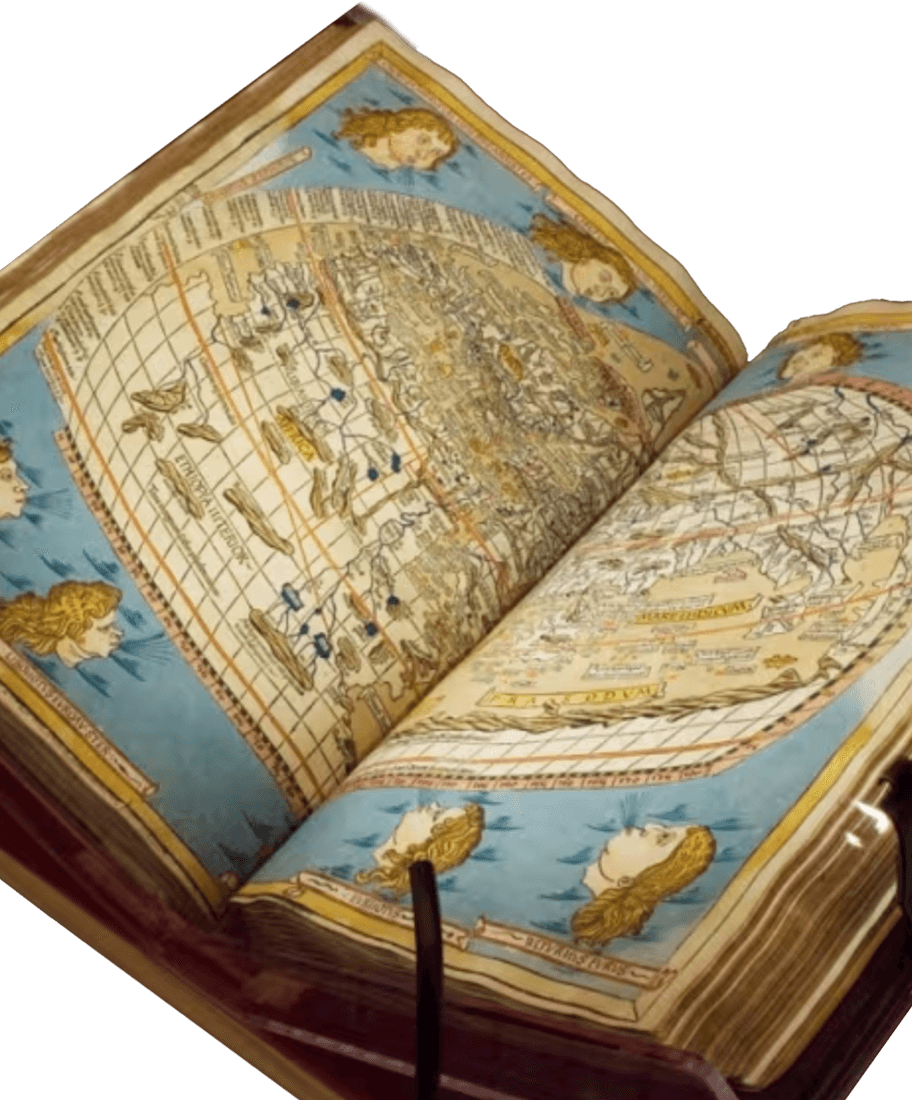
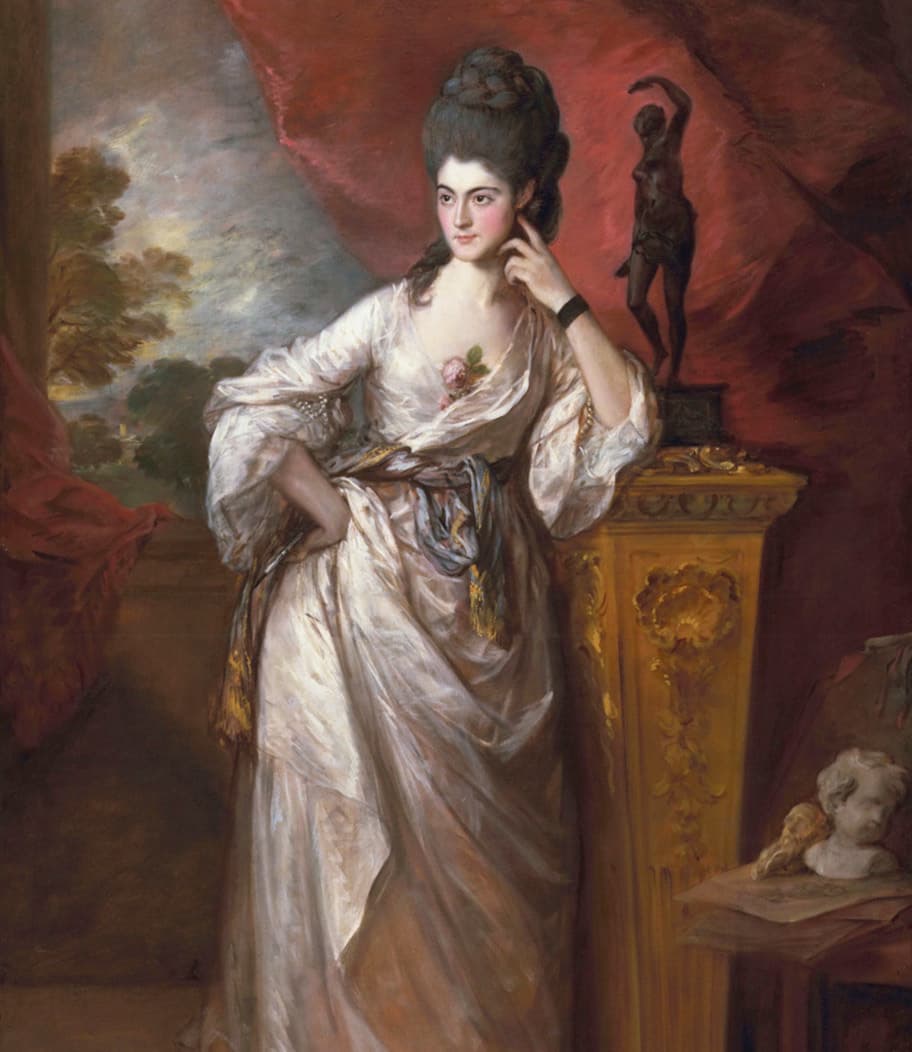
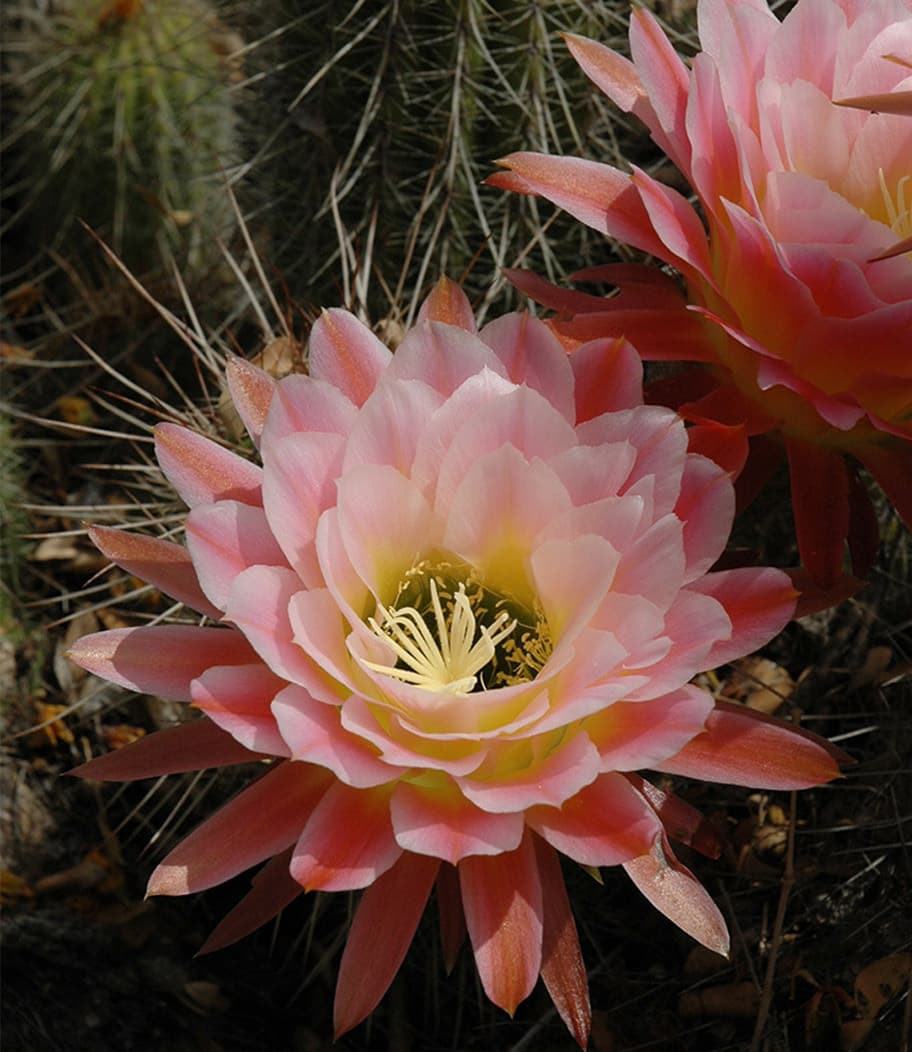
We invite all who are curious to make new connections, discover new perspectives, and reimagine our collective futures.

Whether they be cool and scaly or warm and furry four-legged friends, pets are a beloved part of our families.


From the crops we grow to the meals on our tables, food and drink are a part of our daily lives, just as they have been in all times and places.
First cultivated in China from the leaves of the tea plant (Camellia sinensis) in the 2nd millennia B.C., tea remains central to social and cultural life in East Asia.
William Morris, the British artist, designer, writer, and visionary, was known for his intricate patterns featuring stylized botanical elements.
Acknowledged by the International Camellia Society as a Garden of Excellence, The Huntington’s botanical collections include over 50 different Camellia species and some 1,200 cultivated varieties.
The Latino/Hispanic Heritage collection celebrates the people, knowledges, and communities that contribute to Latin American history and culture.
The history of the United States has been defined by a series of cultural encounters along a constantly shifting, ever-evolving border.
The Desert Garden is among the oldest living collections at The Huntington.
This grouping features a selection of European, American, and Asian works made by women artists from the 18th century to the present, which are now in the collections of the Huntington Art Museum and Library.
The Rose Garden was created in 1908 for the private enjoyment of Henry E. and Arabella Huntington.
Many people probably think about our expansive gardens when they think of The Huntington, but plants are an important part of the collections in the Art Museum and Library, too, often showcased in our wide variety of botanical illustrations.
Arabella Huntington assembled one of the finest private orchid collections of her time.
The Huntington’s plant collections include roughly 800 tree species that range from such iconic California natives as coast live oak and Western sycamore to representatives of habitats from around the world.
Most plants growing in the Rose Hills Foundation Conservatory for Botanical Science are from tropical areas.
This collection of primary sources offers a look at what life was like for diverse groups of people during a transformative period of California history.
This collection of primary sources reveals cycles of growth, conflict, and renewal as the country formed, expanded, and struggled with its ideals of equality and freedom from 1776 to 1877.