Opening Hours
Daily: 10 A.M.–5 P.M.
Closed on Tuesdays
1151 Oxford Road
San Marino, CA 91108
Posted on Wed., May 18, 2016 by and
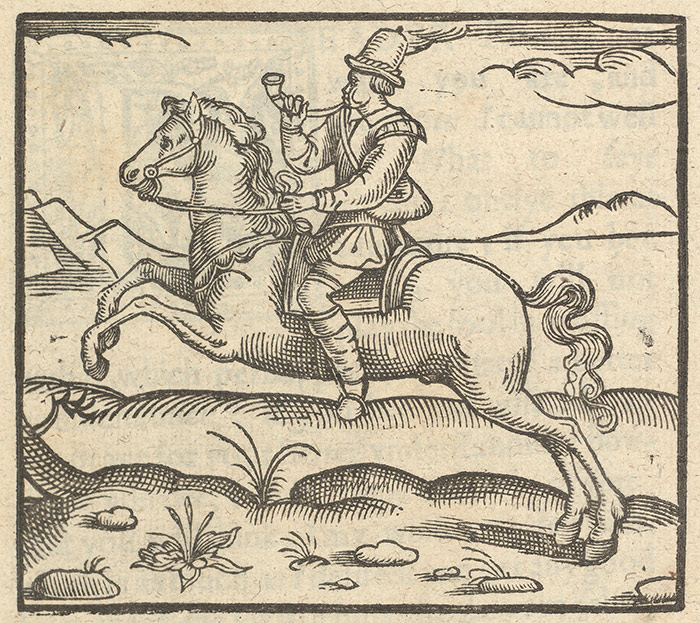
The highways and byways of early modern England carried travelers transporting news of the day. Royal messengers jostled with post-boys, merchants, booksellers, and balladeers. Judges rode their circuits, and private individuals braved the rutted roads on business or private journeys.
One of the main topics was politics, delivered in the form of books or bundles of paper or parchment. These items could be newsletters, royal proclamations and writs, instructions from the Privy Council, parliamentary statutes, or acknowledgments and replies from towns to the main seats of government. The roads were awash with papers of political communication connecting the metropole and the periphery.
To explore the dynamics of this political exchange, we organized a conference at The Huntington titled “Connecting Centre and Locality: Political Communication in England, c. 1550–1750.” The conference, which received support from The Huntington’s William French Smith Endowment and the USC-Huntington Early Modern Studies Institute, will take place May 20–21, 2016, at The Huntington’s Rothenberg Hall.
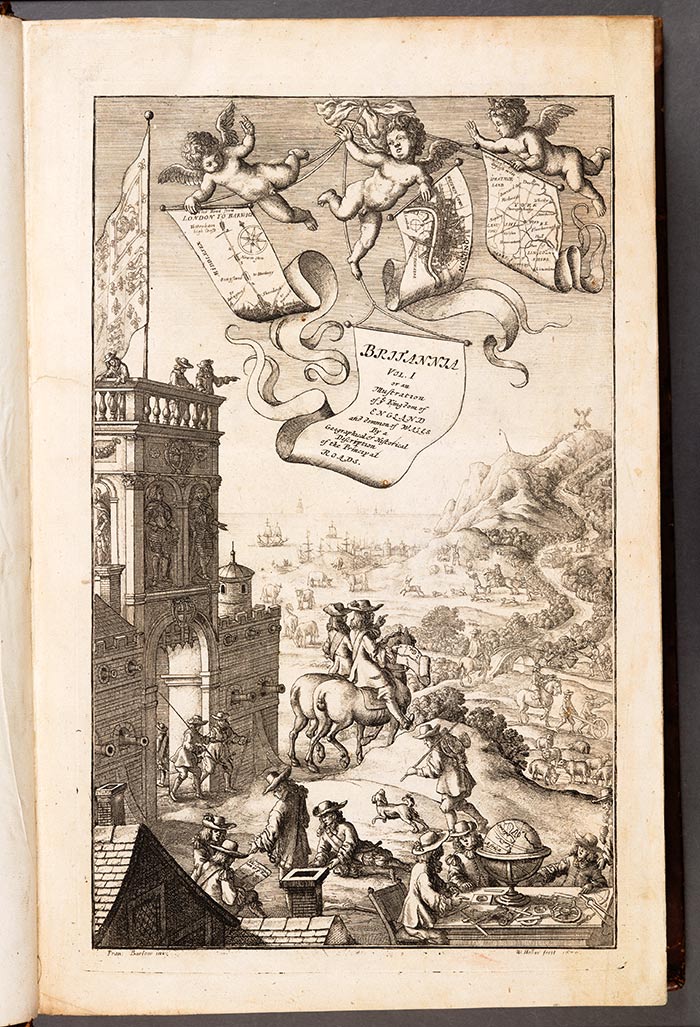
The goal of the conference is to foster dialogue among social and political historians of the early modern period to analyze this political exchange. A distinguished panel of 12 scholars, hailing from the United Kingdom and the United States, will examine the political connections that were forged between localities and the main seats of power in London, Whitehall, and Westminster, and determine the patterns and processes in play.
Historians have long recognized that the 17th century experienced a media revolution as improvements in transportation and printing caused a huge boost in communication. But how did it work for ordinary citizens? How did they learn what was happening in London and the wider world? What new books were causing a stir? What demands did the government place on its citizens? How did people make their local opinions count at a national level?
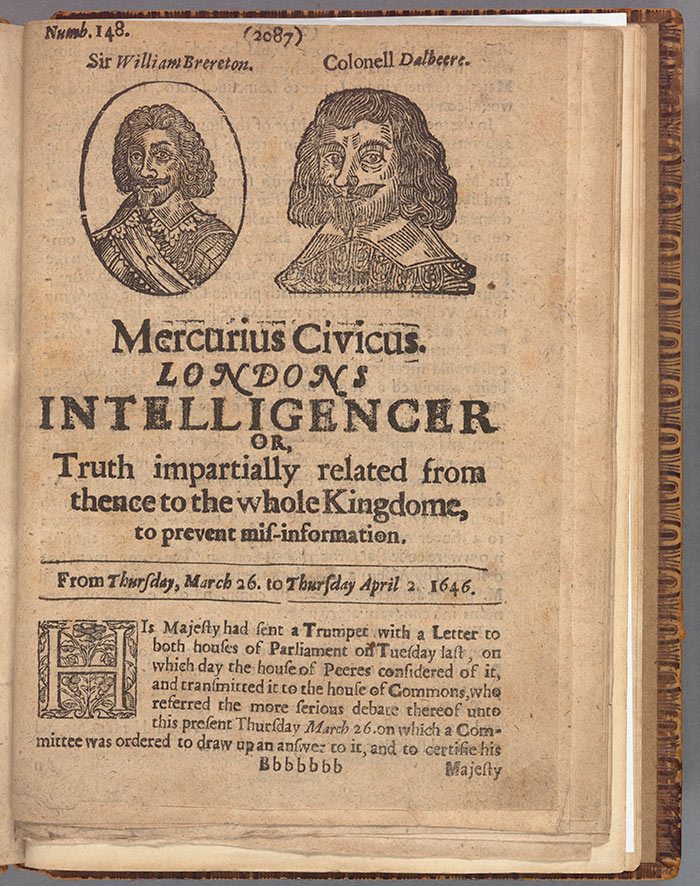
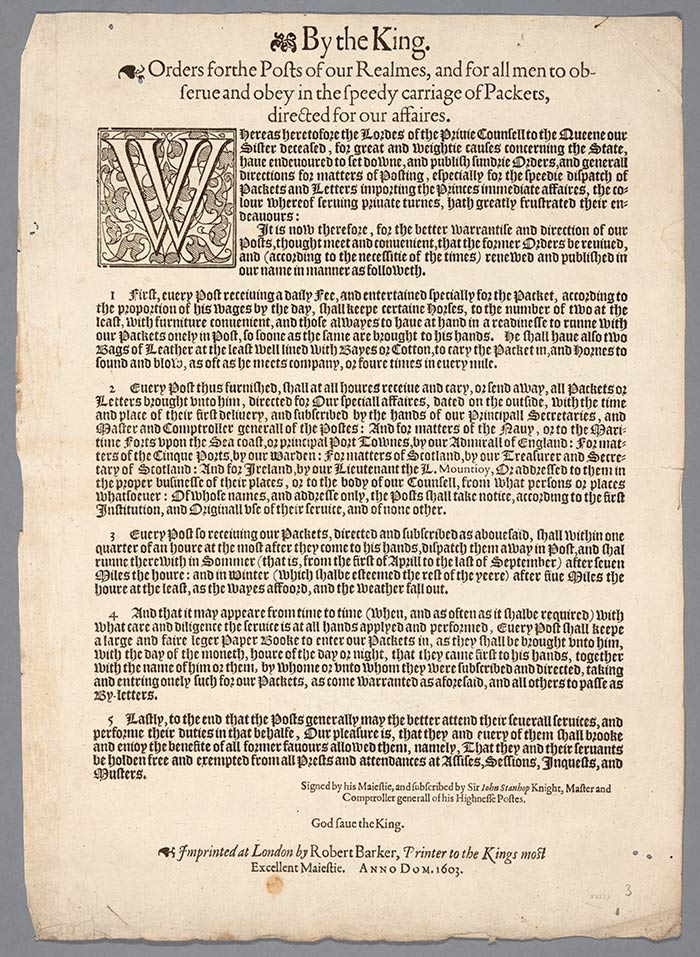
We will investigate the myriad ways in which 17th-century English citizens came to grips with political communication—including the use of the postal service, printed news, and royal proclamations. We will also take a look at how some of these methods reflected the state’s attempt to impose its will on the population, regulate behavior, and enforce obedience.
Modes of communication used in 17th-century England exerted a huge influence on how people understood politics. By examining these modes, we gain insights into a crucial period in English history—a time of major political upheaval that would ultimately lead to social change and constitutional revolution.
You can read more about the conference program and registration on The Huntington’s website.
Chris Kyle is associate professor of history at Syracuse University and was a 2014–15 National Endowment for the Humanities fellow at The Huntington.
Jason Peacey is professor of history and head of the history department at University College, London.

The Huntington’s blog takes you behind the scenes for a scholarly view of the collections.