Manuscripts
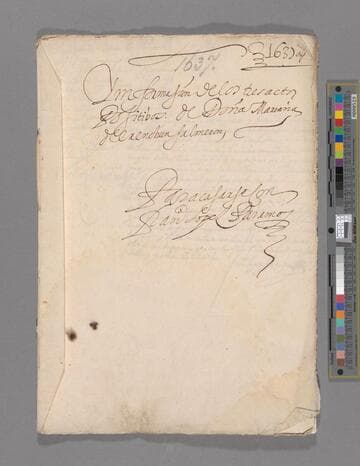
Decree of Carlos III concerning the Holy Tribunal

You might also be interested in
Image not available
Decree of Carlos III concerning the Holy Tribunal
Manuscripts
The collection consists of the original records of 93 trials from the archives of the Holy Office of the Inquisition in Mexico. The testimony of these trials (for heresy, blasphemy, violation of ecclesiastical vows, witchcraft, Judaism, and other charges) reveals much information about ethnic groups and manners and customs in colonial Mexico. Also included are facsimiles of portions of the Libro Primero de Votos. There is also a booklet done by José Guadalupe Posada, "Biblioteca del Nino Mexicano: La Victoria de Tampico y el Martir de Cuilapa," 1900.
HM 35142.
Image not available
Decrees concerning the Holy Tribunal
Manuscripts
The collection consists of the original records of 93 trials from the archives of the Holy Office of the Inquisition in Mexico. The testimony of these trials (for heresy, blasphemy, violation of ecclesiastical vows, witchcraft, Judaism, and other charges) reveals much information about ethnic groups and manners and customs in colonial Mexico. Also included are facsimiles of portions of the Libro Primero de Votos. There is also a booklet done by José Guadalupe Posada, "Biblioteca del Nino Mexicano: La Victoria de Tampico y el Martir de Cuilapa," 1900.
HM 35136.
Image not available
1786-1787. Fragment of a decree concerning the Royal Treasury, "Rl Tribunal de Quentas."
Manuscripts
The chronologically-arranged documents demonstrate the range of legal, administrative, ecclesiastical, military, and genealogical records initiated by government representatives, lawyers, litigants, clerics, and laypersons from the late sixteenth century to the middle of the nineteenth century. The bulk of the records are legal and contractual, including wills, testimonies, inheritance cases, power of attorney contracts, and financial agreements between individuals and/or institutions. Administrative and ecclesiastical records mostly include appoiintments to secular and religious offices as well as some Inquisition and genealogical documents. Military records document pensions, compensations, and other payments made by the Royal Treasury to former military officers. Prominent persons and places of colonial and national Mexico and Guatemala are represented in the collection, such as Juan Francisco de Güemes y Horcasitas, first count of Revillagigedo and viceroy of New Spain from 1746-1755; Juan Nazario Peimbert, lawyer who proposed the formation of an Indian army in the event of a French invasion in 1809; and Juan Antonio de Vizarrón, Archbishop of Mexico and Viceroy of New Spain from 1734-1740.
HM 71067 e
![Inventario de los Expedientes del Extinguido Tribunal de la Inquisicion ... [Chronological list of Inquisition trials, 1525-1817]](/_next/image?url=https%3A%2F%2Frail.huntington.org%2FIIIF3%2FImage%2F22APN43SVBIG%2Ffull%2F%5E360%2C%2F0%2Fdefault.jpg&w=750&q=75)